US Coast Guard Intercepts Foreign Vessels in Gulf Amid Suspected Cyberattacks and Iranian Hacking Probe
The U.S. Coast Guard conducted security boardings on two foreign-flagged commercial ships in the Gulf of America, responding to indications of compromised networks by foreign cyber actors.
U.S.·
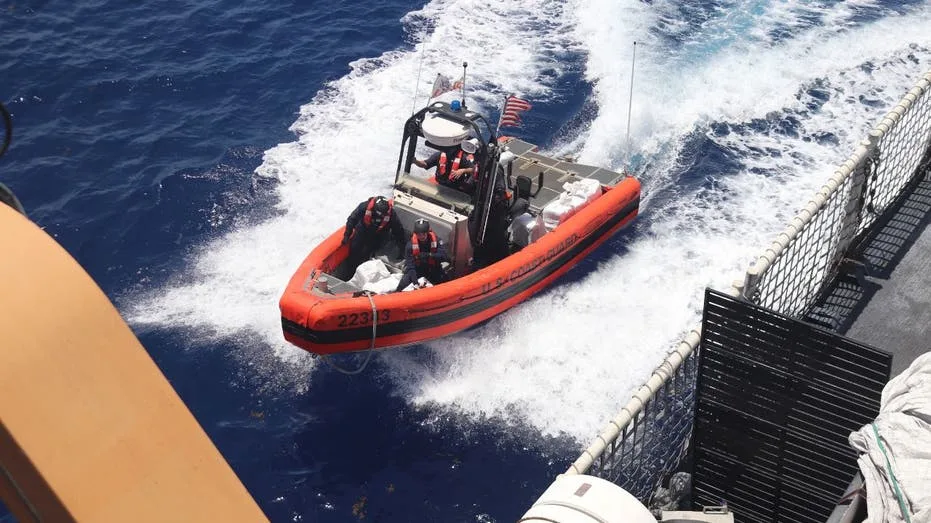
The United States Coast Guard recently conducted security boardings on two foreign-flagged commercial vessels in the Gulf of America, responding to indications that the ships' operational and information technology systems had been compromised by foreign cyber actors. These offshore operations, which took place on August 21 and August 24, aimed to mitigate potential threats before the vessels reached U.S. ports. The actions coincide with reports that U.S. authorities are investigating alleged Iranian involvement in numerous cyberattacks targeting energy tankers.
Joint Agency Response to Cyber Threats
A spokesperson for the U.S. Coast Guard confirmed the joint security boardings, stating, "The U.S. Coast Guard (USCG), in close coordination with the Federal Bureau of Investigation (FBI) and federal cybersecurity experts, recently conducted joint offshore security boardings of two inbound foreign-flagged commercial vessels in the Gulf of America." The spokesperson elaborated that these measures were implemented "to ensure the integrity of the vessel’s operational and information technology systems following indications that the networks of both vessels were compromised by foreign cyber actors."
On August 21, a specialized team was deployed to board the first vessel. This team comprised law enforcement personnel, members of the Coast Guard Cyber Protection Team, a vessel inspector, and operators from the FBI Cyber Action Team, all tasked with investigating the suspected cybersecurity breach. The Coast Guard spokesperson acknowledged the crucial cooperation received during the operation, noting that "The captain, crew, and shore-side corporate staff were critical partners in helping to ensure the threats were mitigated."
A similar multiagency boarding and safety verification procedure was carried out on August 24 aboard the second vessel, also located in the Gulf of America. As of now, authorities have reported no operational disruptions, vessel instability, threats to crew safety, or adverse environmental impacts resulting from these incidents. The Coast Guard is actively collaborating with port operators, vessel owners, and local maritime stakeholders to ensure that port operations continue securely and without interruption.
Allegations of Widespread Maritime Cyberattacks
Investigations suggest that attackers exploited vulnerabilities within Fortinet networking equipment. These breaches reportedly prompted the Coast Guard boardings after crews received bomb threats, which warned that "traitor ships will burn in hell." According to official sources, as many as 50 vessels carrying various types of cargo, including oil, liquefied petroleum, chemicals, and other potentially explosive materials, are believed to have been targeted in these cyber campaigns.
Further details indicate that a European shipping executive reported officers receiving threats directly on their cellphones. One specific incident involved a ransom letter addressed to the captain of the Liberian-flagged supertanker Prosperity, which was transporting approximately 2.3 million barrels of oil. The letter ominously described the cyber operation as a "planned execution."
In one instance, hackers reportedly managed to infiltrate a vessel's propulsion and navigation systems. This intrusion caused communication disruptions lasting approximately 30 hours and compelled the crew to resort to manual operational procedures. Such incidents have the potential to delay critical energy shipments bound for destinations in Asia and Europe.
Safeguarding the Marine Transportation System
A Coast Guard spokesperson emphasized the critical role of maritime infrastructure. "The Marine Transportation System is vital to America's economic prosperity and national security, and safeguarding it against potential cyber risks is a standard part of the United States Coast Guard's safety and security mission," the spokesperson stated. They further explained the agency's proactive approach:
Just as we monitor for mechanical or weather-related hazards, we incorporate cyber risk management into our routine, professional approach to facilitating commerce and ensuring safe vessel transits into and from our ports and waterways. While confirmed cyber disruptions in the maritime domain remain uncommon, even isolated technical issues can cause avoidable commercial delays.
The Coast Guard encourages all maritime industry participants to utilize the free, non-regulatory technical resources offered by Coast Guard Cyber Command. This initiative aims to promote robust digital hygiene and advises reporting any suspected anomalies to the National Response Center.
Related Stories
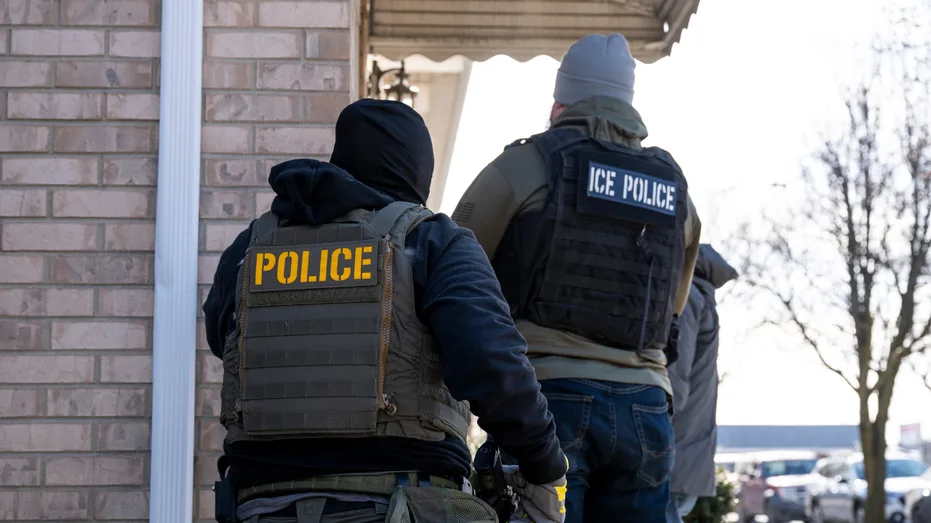
California Man Arrested for Alleged Online Threats Against ICE Agents and Calls for Violent Uprising
A California man has been arrested and charged with making interstate threats following allegations he used social media to threaten Immigration and Customs Enforcement agents and promote violent revolution. Authorities
Nov 24
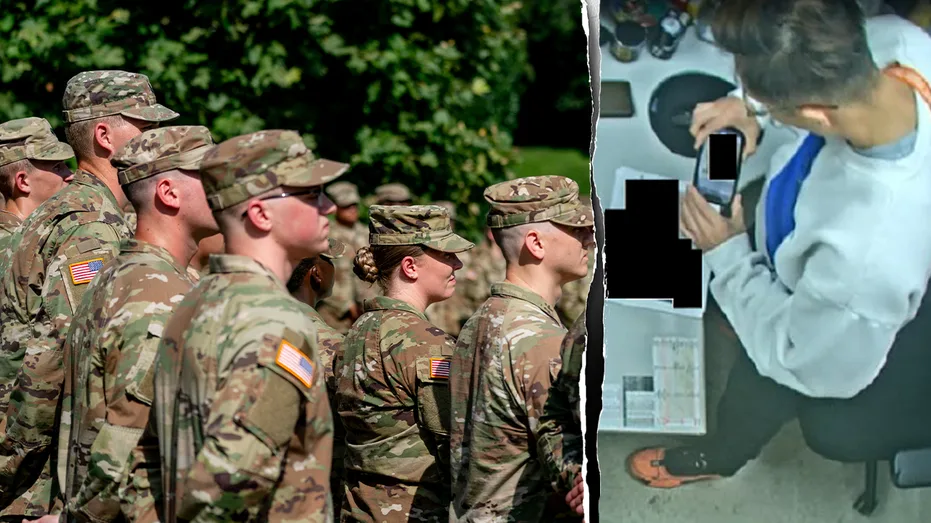
Army Sergeant Admits Guilt in Plot to Sell Sensitive Military Information to China-Linked Individuals
An active-duty U.S. Army sergeant pleaded guilty to a plot to sell sensitive military information and equipment to individuals linked to China. Jian Zhao exploited his security clearance, photographing documents and
Nov 24
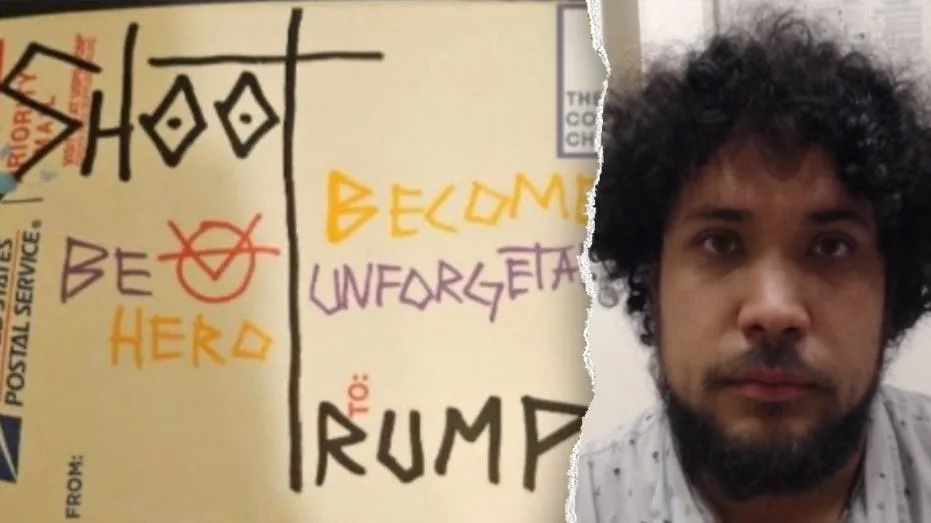
Venezuelan National Arrested in Utah for Allegedly Soliciting Trump's Assassination
A Venezuelan national, Hector Alejandro Mujica-Hernandez, was arrested in Provo, Utah, last month. Authorities linked him to the distribution of materials encouraging the assassination of former President Donald Trump,
Nov 23

Individual Convicted in 2019 Tessa Majors Murder Released on Parole
One of three individuals convicted in the 2019 killing of Barnard College student Tessa Majors in New York City has been released on conditional parole. Luchiano Lewis, now 21, served fewer than seven years for his
Nov 23