Democrat Jonathan Kreiss-Tomkins Secures Alaska Governorship Amidst GOP Divisions
The former state lawmaker's victory marks the first time a Democrat has held the Alaska governor's office in over two decades, following internal Republican disputes.
Politics·

Democrat Jonathan Kreiss-Tomkins has been elected governor of Alaska, marking a significant shift in the state's political landscape. The former state lawmaker's victory concludes a two-decade period without a Democrat in the governor's mansion, making him the first since 1998.
He triumphed over Republican Bernadette Wilson, who had received an endorsement from former President Donald Trump, in a contest characterized by internal Republican struggles. The Associated Press officially called the race for Kreiss-Tomkins on Friday evening local time.
Republican Divisions Pave Way for Democratic Victory
The gubernatorial election in Alaska unfolded as an unconventional competition, largely influenced by a fractured Republican field vying to succeed Governor Mike Dunleavy, who was constitutionally prohibited from seeking a third consecutive term.
Bernadette Wilson, a prominent conservative activist and former political strategist, secured the endorsement of former President Donald Trump. However, her campaign occurred amidst a crowded Republican primary where multiple candidates sought the top executive office.
During the campaign, Trump publicly criticized two other Republican contenders, Dave Bronson, a former mayor of Anchorage, and Treg Taylor, a former Alaska attorney general. The former president alleged that their continued presence in the race would fragment the conservative vote, potentially jeopardizing the Republican Party's grasp on the governorship.
Despite these criticisms, both Bronson and Taylor remained active participants in the Republican slate, setting the stage for a complex general election environment.
Jonathan Kreiss-Tomkins, who previously served as a state representative for Sitka, emerged as the leading Democratic candidate. His campaign focused on returning his party to the governor's office after Governor Dunleavy's two terms.
Understanding Alaska's Ranked-Choice Voting System
This election was conducted under Alaska's distinctive ranked-choice voting system, a method that empowers voters to prioritize candidates in their preferred order.
Under this system, if no candidate achieves an outright majority of first-choice votes, the contender with the fewest votes is eliminated. The ballots cast for the eliminated candidate are then reallocated to the voters' next preferred choices. This iterative process continues until one candidate successfully secures a majority among the remaining ballots.
The implementation of ranked-choice voting has introduced a unique dynamic to Alaskan politics, allowing multiple candidates from the same political party to advance to the general election without the need for a traditional partisan runoff election.
The outcome of this race also comes against the backdrop of Alaska's general political leanings. While the state consistently votes Republican in presidential elections, it has historically demonstrated a willingness to elect Democrats and independent candidates to various statewide offices.
Related Stories

California Governor Gavin Newsom Sets Early 2024 Deadline for 2028 Presidential Bid Decision
California Governor Gavin Newsom announced he plans to decide on a potential 2028 presidential campaign by early January. The Democratic leader discussed his timeline while attending a UN climate conference, emphasizing
Nov 13
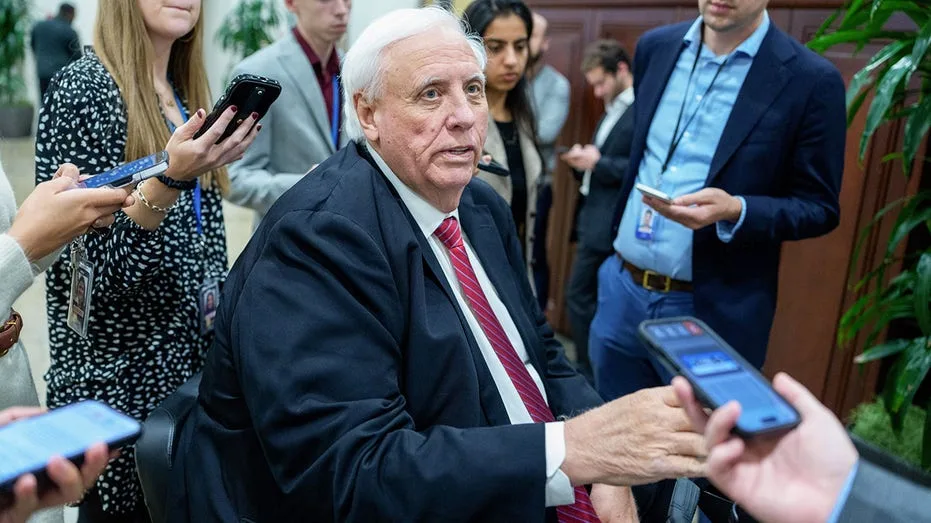
Republican Senator Warns Party to 'Forget 2028' After Midterm Setbacks and Leadership Criticism
Senator Jim Justice (R-WV) stated the GOP should "forget" about securing a Senate majority in 2028, reflecting deep concerns after Democrats' stronger-than-expected midterm performance. Other Republicans emphasized the
Nov 12

Trump Differentiates Deportation Focus, Citing Less Pressure on Farm Workers and Hotel Staff
Former President Donald Trump elaborated on his administration's immigration enforcement priorities, indicating that the focus was primarily on individuals involved in serious crimes rather than on undocumented workers
Nov 10

Analysis Reveals Deep-Red Counties with Data Center Projects Showed Increased Democratic Shift in Midterms
A conservative AI safety group's analysis found that deeply Republican counties with data center projects shifted notably towards Democrats in recent midterms. This trend suggests a potential link between local
Nov 10