House Republicans Advance Bill to Permanently Enshrine Trump-Era Border Policies
Legislation seeks to codify measures like ending "catch and release" and enhancing border technology, sparking debate along party lines.
Politics·
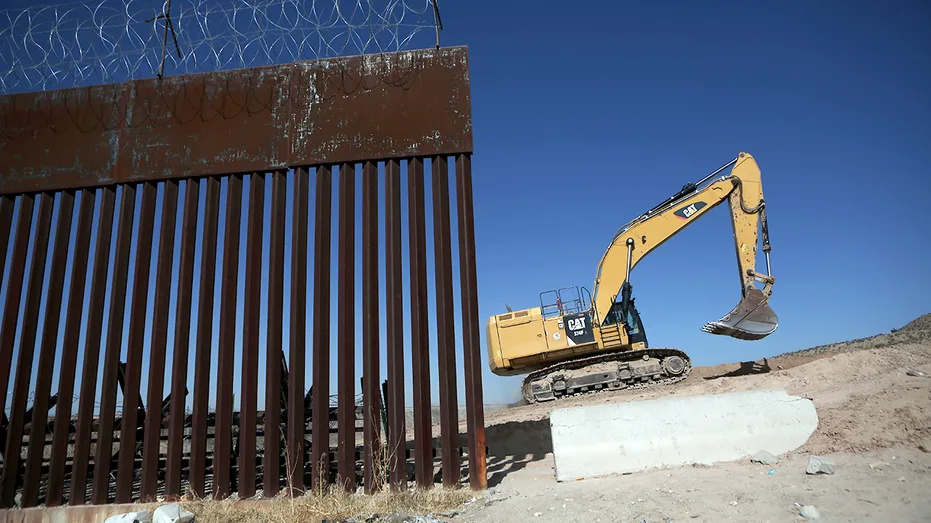
A significant border security measure, designed to permanently establish numerous executive actions implemented during former President Donald Trump's administration, is now slated for a vote on the House floor after successfully clearing a crucial committee this week.
The House Judiciary Committee voted along party lines on Tuesday to advance the legislation, formally known as the Permanent Trump Secure Border Act. The hours-long markup session saw strong objections from Democratic lawmakers.
Core Tenets of the Proposed Legislation
Authored by Representative Chip Roy, a Republican from Texas, the proposed bill encompasses several key provisions aimed at tightening immigration controls. It would specifically criminalize individuals who overstay their visas and impose stricter penalties for unlawful entry into the country.
The legislation seeks to effectively end existing "catch and release" practices by mandating that most individuals who cross the border without authorization either be detained or immediately returned while their immigration cases are being processed. Furthermore, it would introduce more stringent criteria for asylum eligibility and humanitarian parole.
Beyond these policy changes, the measure also aims to strengthen Customs and Border Protection (CBP). It directs the Department of Homeland Security to modernize existing border facilities, expand its staffing and workforce planning initiatives, and deploy advanced surveillance technologies. This includes the use of drones, radar systems, biometric screening, and DNA collection capabilities.
Political Motivations and Partisan Disagreement
For several months, conservative members of the House have been advocating for GOP leadership to permanently embed the Trump administration's border agenda into law. Their push comes amid arguments that illegal border crossings reached historically low levels during his second term, and that without congressional action, a future presidential administration could easily reverse these policies.
However, Democratic members have voiced strong opposition to the bill, contending that any legislative efforts on border security must also incorporate reforms to Immigration and Customs Enforcement (ICE) and expand legal pathways for immigration.
"We've been urging the majority to set aside the demonization of immigrants to pass comprehensive, commonsense immigration reform on a bipartisan basis," stated Representative Jamie Raskin, a Democrat from Maryland and ranking member of the House Judiciary Committee, during the committee's debate.
The committee vote on Tuesday follows a period in June and July when House conservatives effectively halted floor proceedings for several weeks. This action was a protest against GOP leaders for not prioritizing and advancing border security legislation.
Representative Roy emphasized the importance of these legislative efforts earlier in July, telling reporters, "We need to deliver on codifying border security, deal with the birthright citizenship issue. These are all issues people that I represent care about intently and that we've talked about doing, and we need to deliver."
Challenges Ahead and Related Immigration Debates
Despite successfully moving through the committee, the legislation may encounter resistance on the House floor. Some moderate Republicans are reportedly seeking to include provisions for temporary legal protections for agricultural workers, which could complicate the bill's passage.
The current measure bears a close resemblance to H.R. 2, a border security bill previously passed by House Republicans during the Biden administration. A notable difference, however, is the omission of a nationwide E-Verify mandate, a provision that has historically caused division within Republican ranks.
In a related development, some GOP lawmakers are also advocating for a separate floor vote to curtail birthright citizenship. This push comes after the Supreme Court rejected attempts by the Trump administration to limit this practice.
Within the House, Representative Andy Ogles, a Republican from Tennessee, has introduced his own legislation, the Anchors Away Act. This bill proposes to restrict birthright citizenship only to children born with at least one parent holding a specific legal status. It would also empower the federal government to deny entry to pregnant foreign nationals.
Related Stories
Federal Judge Disqualifies Senior California Prosecutor, Citing Unlawful "De Facto" Role
A federal judge has disqualified Bill Essayli from two criminal cases, ruling he unlawfully acts as Southern California's "de facto" U.S. attorney. The decision, though not immediately effective, allows the Justice
Oct 28
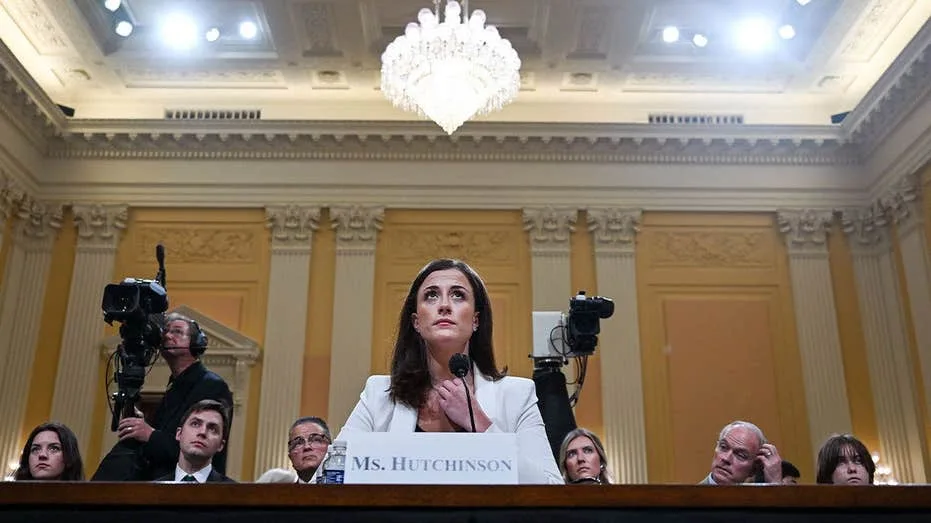
Justice Department Fails to Secure Indictment Against Cassidy Hutchinson Over Jan. 6 Testimony
A federal grand jury has declined to indict Cassidy Hutchinson, a former top aide to Mark Meadows, despite the Justice Department's efforts to charge her for allegedly providing false testimony to the January 6 House
Oct 28
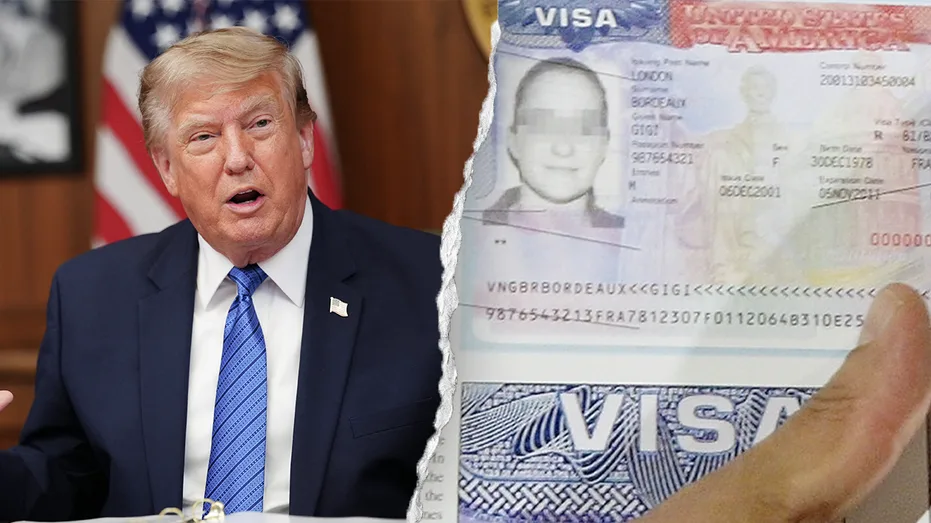
U.S. Suspends Visa-Free Travel for Chinese Nationals to Northern Mariana Islands Citing Security and Birth Tourism Concerns
The U.S. has suspended a visa-free travel program for Chinese nationals to the Northern Mariana Islands. Citing national security and birth tourism concerns, the Department of Homeland Security will evaluate the
Oct 27

Trump's Perceived Influence on Latin America's Rightward Political Shifts, With Brazil as Next Focus
A distinct political shift toward right-leaning leadership is unfolding across Latin America, with some analysts and residents crediting former President Donald Trump's influence. Brazil is anticipated to be a
Oct 26